Enough Chianti, always Chianti. It almost made me dislike it. The usual “safe option” when choosing wine. Yet, every time, I ended up disappointed. Not bad wines, but lacking spirit, leaving me unimpressed.
“Do you like it?” they’d ask. I’d reply with a polite nod, implying, “It’s drinkable, but nothing special.”
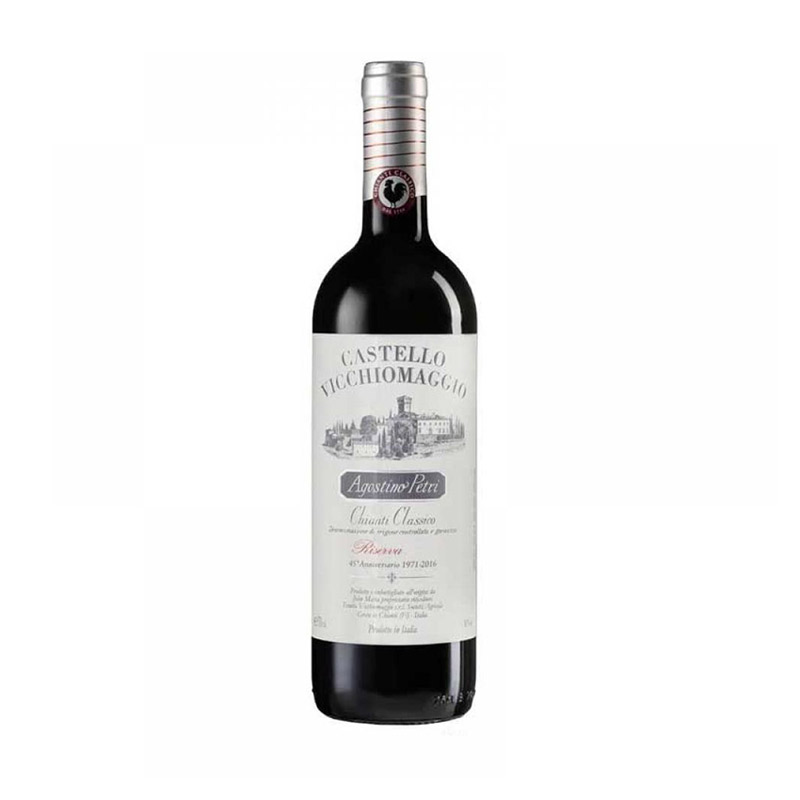
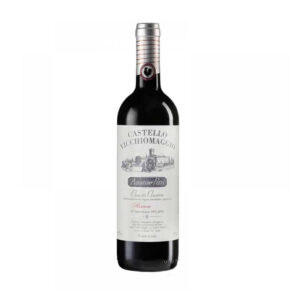
And then it arrived, the Chianti Classico Riserva Agostino Petri. A Chianti with a capital “C” that made me exclaim, “Oh, finally!”
This is what Chianti should taste like. A true masterpiece, a wine that stands out and makes you say, “What a great bottle!”
Chianti
Chianti is one of the most famous wine regions in the world. This wine can only be made in Tuscany, specifically in the mountain-air-cooled hills between Siena and Florence. The first Chianti wine zone was officially established by Grand Duke Cosimo Medici III in 1716, making it one of the earliest examples of a regulated wine region. Chianti wines must contain at least 70% Sangiovese, with the remaining 30% made up of other native or international varieties.
Differences Between Chianti, Chianti Classico, and Riserva.
Not all Chianti wines are the same. Chianti refers to wines made within the larger Chianti region. These are generally fruit-forward, approachable, and can be enjoyed young.
Chianti Classico, on the other hand, comes from the historic heart of the region, between Siena and Florence. These wines follow stricter regulations, including a minimum of 80% Sangiovese and aging requirements of at least 12 months.
For those seeking even greater complexity, Chianti Classico Riserva and Chianti Riserva represent premium categories. A Chianti Riserva must age for at least 24 months, while a Chianti Classico Riserva requires the same minimum aging but must also meet even stricter quality standards. These wines often display deeper structure, refined tannins, and more pronounced aromas of spice and dried herbs.
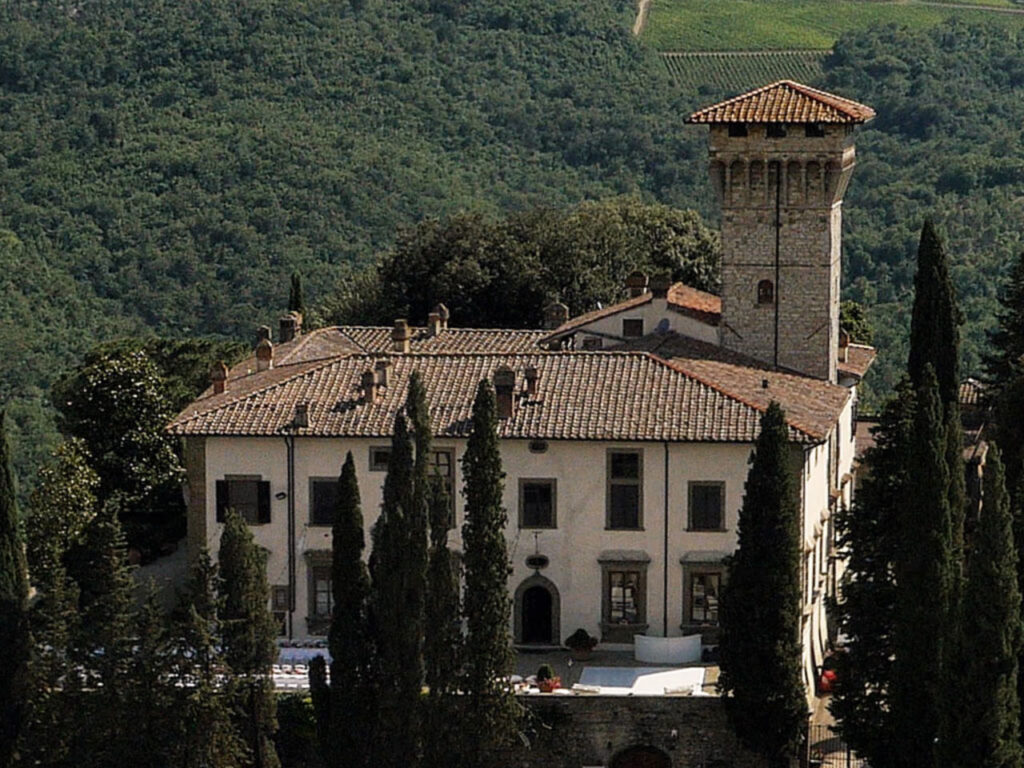
Castello Vicchiomaggio
Castello Vicchiomaggio is celebrated for its exceptional wines, crafted with passion and a dedication to tradition by the Matta family.
Nestled in the heart of Chianti Classico, the estate spans 140 hectares, with 34 dedicated to vineyards. Here, they cultivate Sangiovese, Cabernet Sauvignon, and Merlot.
Their vineyards thrive in a Mediterranean climate, enriched by Galestro soil and optimal sunlight exposure, thanks to their southward orientation.
Harvest takes place between late September and mid-October, followed by meticulous vinification in temperature-controlled tanks. Depending on the type of wine, the aging process involves French oak barriques for 8 to 24 months. The wine then rests in the bottle to achieve perfection.
At Castello Vicchiomaggio, every detail reflects our unwavering commitment to creating wines that embody the essence of the Tuscan terroir.