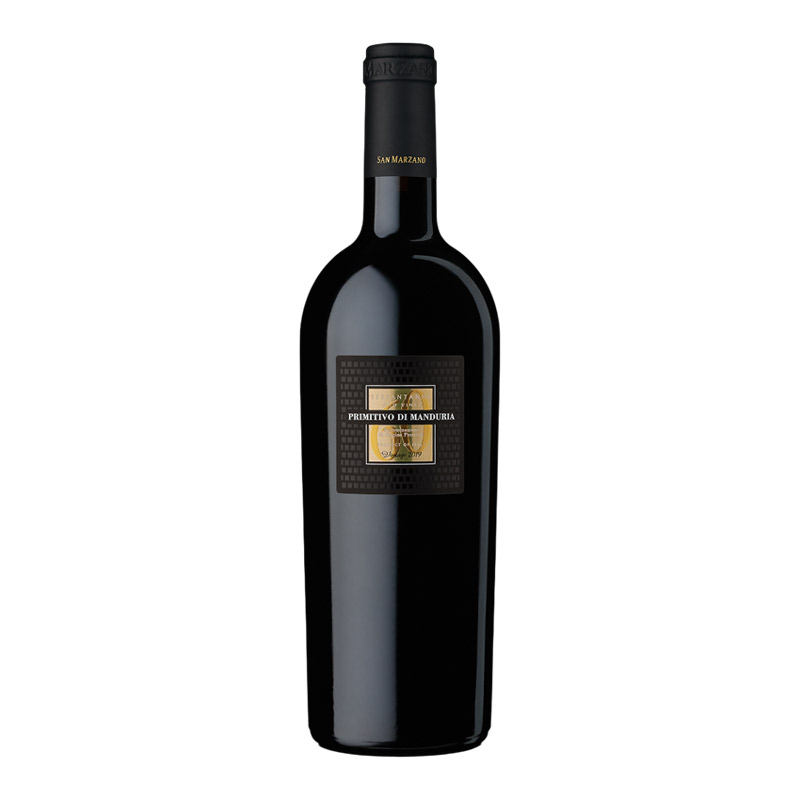
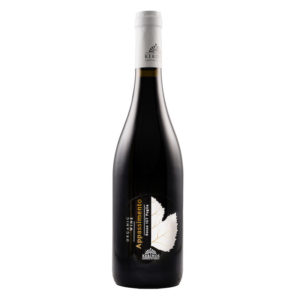
Some wines are good. Some are great. And then there’s Primitivo di Manduria “Sessantanni”, a true icon.
Born from old vines over sixty years of age, grown in the traditional alberello system, this Primitivo carries the soul of Puglia in every sip.
It changed the way the world sees Puglian wine — not just as rustic, but as rich, elegant, and truly world-class.
It’s powerful, yet incredibly smooth. It’s bold, yet beautifully balanced.
We love it because it’s not just a wine: it’s a story of heritage, passion, and pride. And once you try it, you’ll understand why it’s one of the great modern classics.
San Marzano
San Marzano’s journey began in a small town nestled in the heart of the Primitivo di Manduria DOP, a strip of land kissed by two seas. Here, in 1962, 19 winemakers united to form the winery. At the time, the Primitivo di Manduria had not yet earned global recognition, but these pioneers chased a shared dream.
In 1996, the cooperative’s dedication enabled the purchase of a modern bottling facility, paving the way for their first bottled wines. This marked a turning point, shifting from bulk production to building a recognised brand. Today, San Marzano brings the flavours of Salento to the world, one bottle at a time.
Primitivo di Manduria
Primitivo is a red grape variety grown across Puglia. It has found its ideal habitat especially in two areas: the red soils of the Taranto Province and the hills around Gioia del Colle in the Bari Province.
Manduria is considered the spiritual home of Primitivo.
The DOC designation was introduced in 1974, making it one of the oldest among the 28 DOCs located in Italy’s heel.
The name “Primitivo” comes from the Italian word Primaticcio, meaning “the first to ripen.” In fact, it is one of the earliest grape varieties to be harvested in Italy, usually picked in August.
Primitivo naturally reaches high alcohol levels. Historically, it was used to strengthen more famous wines produced in France and northern Italy.
Known as Zinfandel in the USA, the two grape varieties were confirmed to be genetically identical in 1994.